How to Choose the Right Desert Camel Experience in Dubai
Choosing a desert camel experience takes more than picking the first appealing photo. The desert setting, the pace of the outing, the time of day and the small print all shape how the day feels. A little planning before booking helps match the experience to your comfort level, schedule and expectations.
Start by deciding what kind of outing you actually want. Some visitors picture a short ride with a few photos in the dunes. Others want a longer desert trip with several activities built around it. These are not the same experience, and the right choice depends on how much time you want to spend outdoors, how active you want to be and whether children or older travellers are joining.
Set your priorities before comparing options
Think about the main reason for the trip. If the camel ride is the centre of the day, look for an option that gives it enough time rather than treating it as a brief stop. If the broader desert setting matters more, a longer outing may suit better, even if the ride itself is shorter. The term Camel Desert Safari Dubai can cover a wide range of experiences, so the wording alone should not decide the matter.
Comfort is another early filter. Desert trips can include heat, sand, uneven ground and long periods in the sun. Anyone with back trouble, joint pain or limited mobility should look closely at how the ride is described and whether there are calmer ways to take part. It is better to choose a gentler format that everyone can enjoy than to chase a packed itinerary that feels rushed or tiring.
Also set a realistic time window. Morning and late afternoon often feel different from the middle of the day, and the light changes the mood of the whole trip. A shorter outing may fit neatly around other plans, while a longer one needs more breathing room. Decide whether you want a relaxed half day or a focused activity before you begin comparing details.
Check what the ride actually includes
Read the description closely. A camel ride can mean a slow walk led by a handler, a circuit in a marked area or a longer route through the dunes. Each has a different feel. A short led walk is usually easier for first timers. A longer route can feel more immersive, but it also asks for more patience and comfort with uneven movement.
Look for clear details on the riding format. Does each person ride alone, or is the camel led on foot? Is there a chance to stop for photos, and are those stops built into the experience or left vague? What happens before and after the ride? Clear wording is often a sign that the experience has been thought through, while unclear wording can leave room for surprises.
Safety matters even when the activity looks calm. Camels are large animals, and boarding, dismounting and walking on sand all need care. Pay attention to any stated guidance about age limits, health restrictions, clothing and behaviour around the animals. If the information is thin, ask before booking rather than assuming. A responsible experience will make expectations plain from the start.
Look at the whole itinerary, not just the headline
Many desert outings combine several parts, such as dune driving, sand boarding, photo stops, entertainment, dining or relaxed seating. These additions can improve the day, but they can also crowd out the camel ride. A long list of activities may sound generous yet leave little time for the part you came for.
Compare the order and balance of the itinerary. If you are travelling with children, a quiet break between active parts can make the outing smoother. If you dislike crowds, look for a format with fewer transitions and a clearer flow. If you want a traditional feel, check whether the extra activities match that mood or turn the trip into something more commercial.
Food and seating deserve attention too. Some trips include a meal, while others focus only on the ride and scenery. If dining is part of the plan, check whether the menu style suits your needs and whether dietary requirements can be handled. This is especially useful for families, vegetarians and anyone with food sensitivities. Do not leave these points until the day itself.
Compare timing, location and group size
Where the experience begins can affect the whole schedule. A pickup from your hotel may be convenient, but it can also add waiting time if the route includes several stops. Meeting at a set point may be simpler if you have transport arranged and want tighter control over the day. Think about which approach fits your plans rather than choosing automatically.
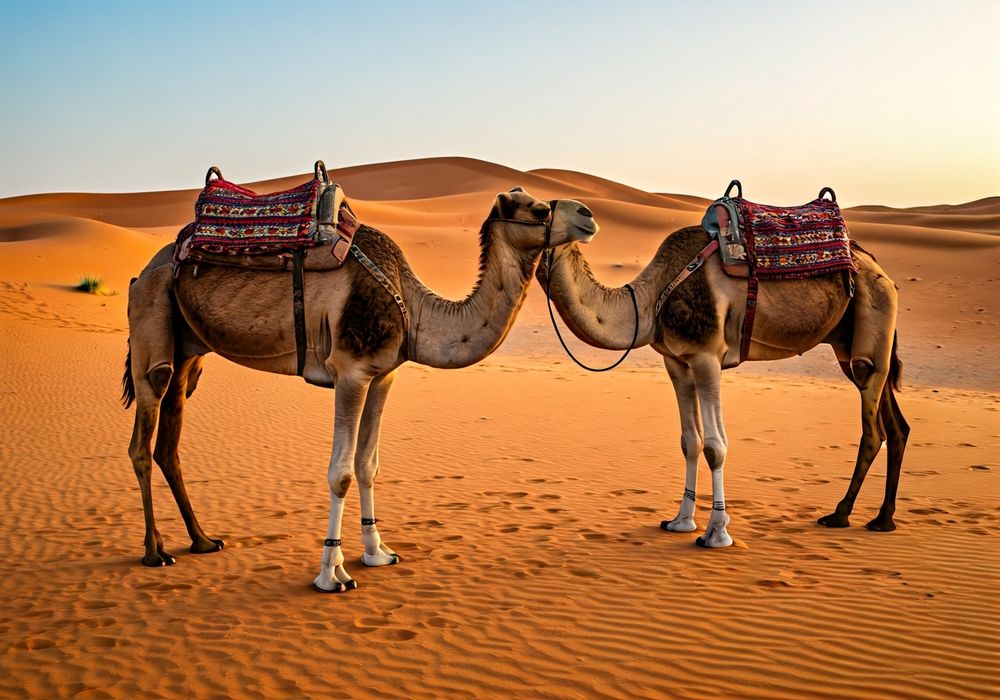
The landscape also matters. Open dunes create a different backdrop from a more managed desert camp. If photography is important, look for clues about the setting and the time of day. Soft light and open space usually make a bigger difference than extra props. Ask what the route looks like and whether there are chances to pause away from busy areas.
Group size can change the atmosphere. A smaller group often feels calmer and allows more room for questions and photos. A larger group may feel lively and social, but it can also mean queues and less individual attention. Neither is automatically better. The right choice depends on whether you value quiet, energy or a balance of both.
Read the terms with a practical eye
Before committing, check the booking terms in plain language. Look at what is included, what is optional and what may depend on weather or conditions. Desert plans can change when the ground is soft, the wind picks up or visibility drops. A clear policy is more useful than a vague promise. Camel Desert Safari Dubai is a term that may appear across many descriptions, but the details behind it are what separate one option from another.
Payment terms, cancellation rules and timing changes should be easy to understand. Avoid relying on verbal assumptions. If something matters to you, such as a private ride, a specific start time or a quieter setting, confirm it in writing. Keep the confirmation accessible on the day so that names, times and meeting points are clear.
Ask about clothing and personal items as well. Loose, light clothing usually works better in warm conditions, and closed footwear is sensible around sand and animals. Sunglasses, sun protection and water can make a noticeable difference. If cameras or phones are important, check whether there is a safe place to keep them during the ride and whether dust could be an issue.
Judge value beyond the surface
Price can guide a decision, but it should not be the only measure. A lower cost may reflect a shorter ride, a larger group or fewer included extras. A higher cost may reflect a longer route, a quieter setting or more time in the desert. The useful question is not which option looks cheapest, but which one delivers the experience you want without obvious gaps.
When comparing choices, write down the few things that matter most. For many people, that may be ride length, comfort, timing and group size. For others, it may be photography, food or a calm setting. Ranking these points makes the decision easier because it stops extra features from distracting you.
Brand names can be part of the search, though they should not replace careful reading. Camel Desert Safari Dubai may be one name you come across while researching, but the decision still rests on the details of the outing. Check whether the description matches your priorities and whether the practical points are clear.
Make the final choice with confidence
By this stage, the options should feel easier to separate. Choose the outing that fits your time, comfort level and interest in the camel ride itself. Pay attention to clear communication, sensible safety guidance and an itinerary that leaves space to enjoy the desert rather than simply rush through it.
A good choice is not always the most elaborate one. It is the one that matches the way you want to spend the day. Once the booking is settled, prepare lightly, arrive with time to spare and keep expectations flexible. Desert conditions and animal-led activities move at their own pace, and the best experience usually comes from allowing room for that.